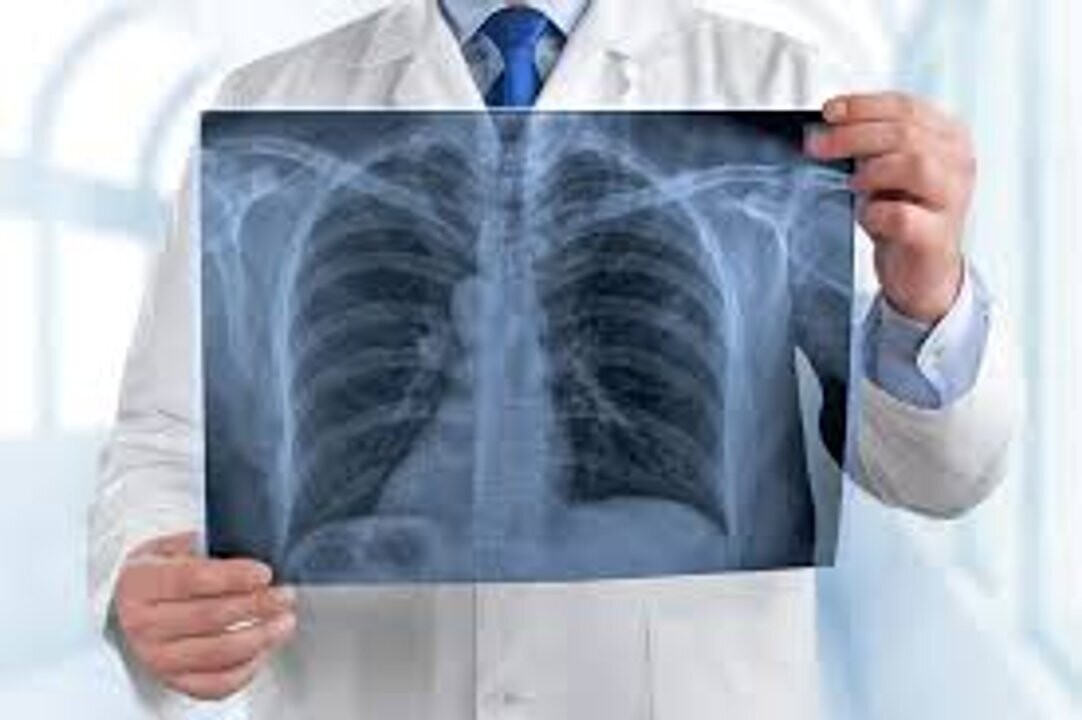
World Lung Cancer Day is commemorated this Monday, and specialists warn that this disease remains one of the leading causes of death worldwide. According to the World Health Organization (WHO), it causes between 1.8 and 2.2 million deaths annually, accounting for 20% of all cancer-related fatalities.
In Argentina, lung cancer ranks second in incidence and first in mortality. There are approximately 12,000 new diagnoses and around 10,000 deaths each year, representing 15% of all cancer deaths in the country. Projections from the International Agency for Research on Cancer (IARC), seen by the Argentine News Agency, suggest that cases in the country could increase by almost 80% by 2050, a figure that reinforces the need to strengthen prevention policies, equitable access to treatment, and early detection.
Lung cancer does not have a single cause, although smoking remains the primary risk factor. It is estimated that 80% of cases are associated with tobacco use or exposure to secondhand smoke. The disease can also develop in people who have never smoked, often linked to exposure to radon, asbestos, diesel gases, and urban pollution.
"It's not just about detecting the disease early, but also about reducing the factors that cause it and improving the overall health of patients," states Bugarín. Various studies have shown that this type of screening can reduce lung cancer mortality by up to 20%, and that early diagnosis not only improves people's quality of life but also reduces healthcare costs, as treating the disease in advanced stages can be up to ten times more expensive.
In addition to its impact on health, lung cancer has significant economic consequences for patients and their families. A study by the Institute of Clinical and Health Effectiveness (IECS) conducted in public hospitals in Buenos Aires and La Plata revealed that nearly half (48%) of diagnosed patients saw their income reduced due to the disease, 16% lost their jobs, and more than two-thirds (68%) suffered "financial toxicity," meaning out-of-pocket expenses that exceeded their economic capacity.
"Behind every diagnosis, there is a profound impact that not only affects the patient's health but also the economic and emotional stability of their family environment. That is why using diagnostic tools like screening is key to detecting it in time, especially in people with risk factors or a history of tobacco exposure," explains Bugarín.
Screening: Detect Earlier to Live Longer and Better
Lung cancer screening is an expanding strategy worldwide and a fundamental tool for reducing mortality. Its objective is to diagnose the disease in early stages, when treatment can be more effective and even curative. The most widely used tool in screening is low-dose computed tomography (LDCT), a rapid, painless, and highly precise study that allows for the detection of very small lung lesions, even before symptoms appear.
In Argentina, the National Consensus on Lung Cancer Screening recommends undergoing this study once a year in people aged 55 to 74 with high risk: smokers or former smokers with a cumulative consumption of at least 30 pack-years, who quit smoking in the last 15 years and do not have serious illnesses.
"Screening must be accompanied by smoking cessation programs and a cardiovascular risk assessment because both measures enhance its positive impact and contribute to a comprehensive approach to lung health," says Gabriela Bugarín (M.N. 71.988), Medical Director of Oncology at MSD Argentina.
Signs and Symptoms: Warning Signals
In its initial stages, lung cancer often presents no symptoms, which explains why many cases are diagnosed in advanced stages. Unexplained weight loss or loss of appetite, extreme fatigue, and recurrent episodes of bronchitis or pneumonia may also appear.
However, there are signs that can serve as early warning signs and motivate a medical consultation. Among the most frequent symptoms are a persistent or worsening cough, the presence of blood in phlegm, chest pain that increases with deep breathing or coughing, hoarseness, and difficulty breathing.
"We know that lung cancer often does not produce symptoms until late stages. This is compounded by genetic factors, which can increase predisposition even in the absence of other risks. Although smoking remains the main culprit, lung cancer also affects non-smokers. That is why it is important not to stigmatize and to promote medical consultation for persistent symptoms such as chronic cough or difficulty breathing," states Gabriela Bugarín (M.N. 71.988), Medical Director of Oncology at MSD Argentina.